A household struggling with its energy bill can miss England’s new £100 payment because of the tax category of its home. A loss of earnings does not, by itself, change that category.
The Household Energy Payment was announced in the October 28 Budget, with payments due to start in January 2027. The government estimates that the standard payment will reach 83% of households it describes as “fuel stressed”: households under pressure from energy costs.
That leaves an estimated 17% of that group outside the standard payment. It does not mean they are excluded from every kind of help. Some may qualify for a separate fund run by their local council.
A rule based on the home
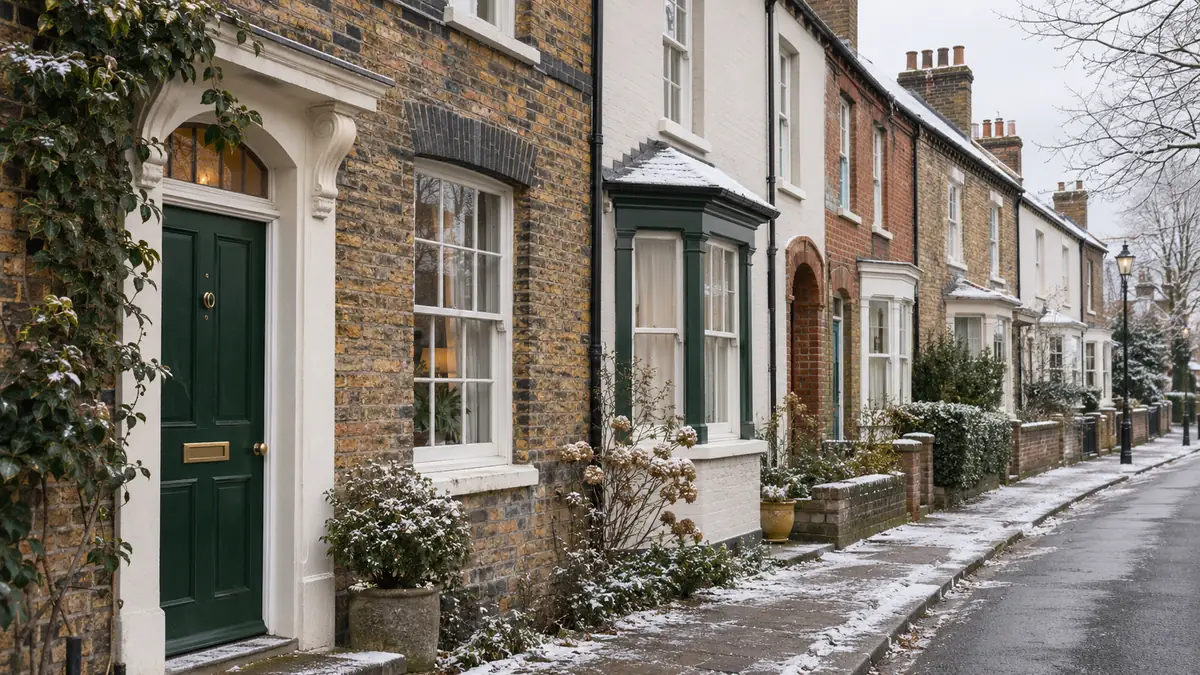
Council tax is a local tax charged on homes. In England, each home sits in a band based on what it would have sold for on April 1, 1991. The bands are historic property-value categories, rather than a measure of what the people living there earn today.
The standard £100 payment covers main homes in bands A to D. The published conditions also require the householder to be responsible for council tax. Second homes and empty properties are excluded, as are households where the householder is not responsible for the tax.
Band D ends at a 1991 value of £88,000. Band E begins at £88,001. Those figures are not today’s house prices. They mark a boundary that can still decide whether a household gets the payment decades later.
Daylight Post found that the payment conditions use historic property values rather than current earnings. A household in band E can face a sharp fall in income and still miss the standard payment. A household with higher income in a qualifying band can receive it. The scheme does not test each household’s current ability to pay its energy bill.
The other help has different conditions
The Budget adds £100 million for councils to help households acutely affected by rising energy bills. Each council will set its own conditions for this separate support. Missing the standard payment does not create an automatic right to another £100 through that fund.
For the standard scheme, eligible people paying council tax by direct debit are due to receive the payment automatically. Other eligible households will be invited by their council to apply. The government says most households exempt from council tax will also be included, with full details still to come.
The government estimates that up to 20 million households will qualify. It expects to reach 88% of households in the lowest three income groups, each representing a tenth of households.
Different heating payments use different boundaries. The Winter Fuel Payment uses a £35,000 individual income threshold, above which a pensioner can have to repay the money through tax. The new £100 scheme instead uses property-based conditions.
These rules are for England. Scotland, Wales and Northern Ireland will receive funding, with their governments deciding how to provide similar help. For an English household outside the standard scheme, the key next detail is therefore its council’s separate rules, rather than its energy bill alone.