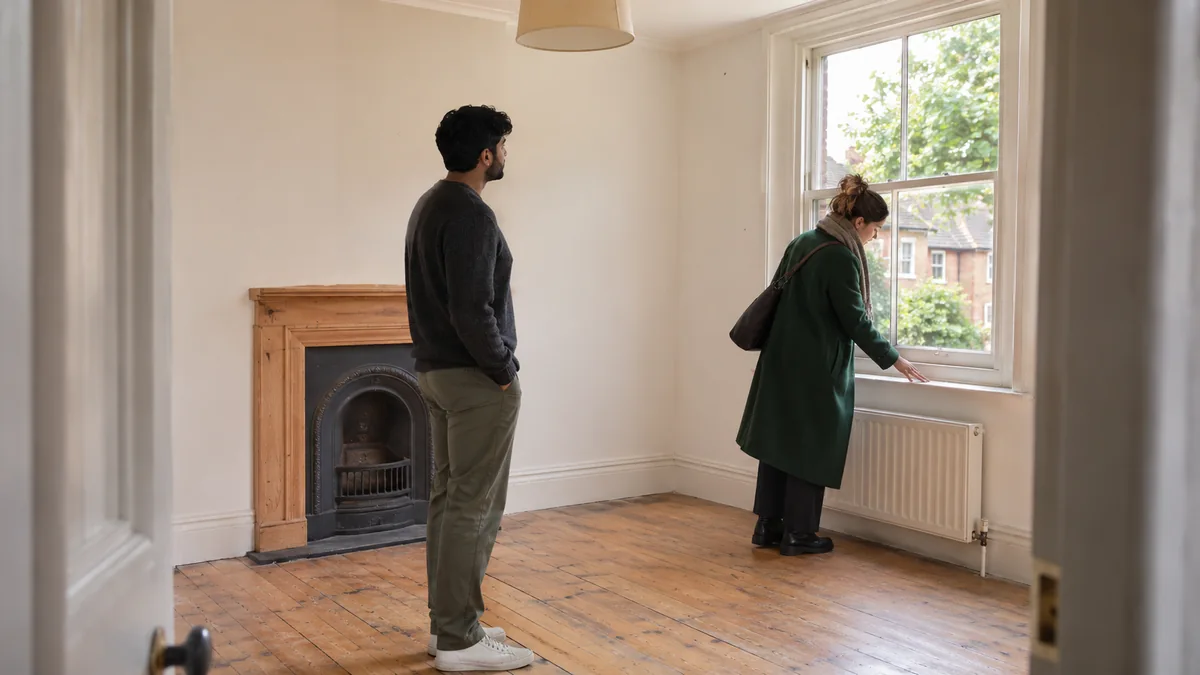
Homebuyers are being shown property pictures that change the appearance of the home they are considering, according to a BBC report published on November 13. Artificial intelligence, or AI, can now alter a room's contents or features in ways that look like a photograph of the real place.
The report describes a buyer, Olivia Nicole, who took time off work earlier this year to view a London home and found smaller rooms and different structural features from those pictured. She told the BBC the listing had not made the use of AI clear.
The wider question is about the decisions made before a sale. Daylight Post found that Britain's consumer rules already cover a person's decision to view a property. Rightmove's own rules also require more than a label saying a picture has been changed.
A viewing is a decision that matters
House hunting often starts with a short list based on photographs, floor plans and prices. A picture can help decide which home deserves a visit and which does not. The time spent visiting is part of the effect of an advert, even if the buyer later walks away.
The Competition and Markets Authority, Britain's main competition and consumer regulator, explicitly includes deciding to view a property among the choices protected by the rules against misleading commercial practices. A purchase does not need to take place first.
Those rules apply to the sale or lease of property as well as to everyday goods. An advert can be misleading because it gives false information, or because its overall presentation is likely to deceive an ordinary consumer and change their decision.
That is why the question is not simply whether someone eventually buys the house. A misleading picture can shape the earlier choice to arrange a viewing.
A label is only one part of the safeguard
Rightmove, a major British property advertising website, updated its public advice on misleading adverts on November 6. It says AI imagery should appear alongside genuine photographs, so people can see the home's actual appearance and condition.
It also says altered images should not hide the property's true condition or add features that do not exist. These are requirements about what the image shows, rather than just how the editing is disclosed.
The company's January 2026 technical guidelines are more specific. Enhanced images must be accompanied by current, accurate pictures of the room or property and clearly labeled as AI or otherwise enhanced. All permitted edits must avoid misrepresenting the property.
A label therefore does not satisfy that policy on its own. Someone still needs to be able to compare the proposed appearance with the real room, and the listing must give an honest account of what is for sale.
There is a practical difference between showing how furniture might fit in an empty room and making a room appear to have a window that is not there. One illustrates a possible use of the space; the other changes what a viewer may believe they are buying.
Responsibility stays with the advert
Consumer law looks at the effect of the information and its presentation. It does not give an automatic exemption because a trader used AI or included a disclosure. Whether a particular advert breaks the law depends on what it communicates and whether it is likely to change a consumer's decision.
For agents, the use of an image-editing tool does not remove the need to check the resulting advert. The photographs, descriptions and any explanation of edits need to work together, so a buyer can understand which features exist now.
Rightmove says people can report a misleading listing to its data quality team with the advert link or a screenshot and a short explanation. It reviews the information to decide whether further investigation is needed; the policy does not promise that every complaint will lead to removal.
In the case described by Olivia Nicole, Rightmove, Zoopla and estate agency Winkworth told the BBC they had strict rules for AI images and had taken the pictures down. That response does not establish how often other misleading pictures appear.
The protection is meant to operate while people are choosing homes to visit. Finding the real windows, walls or condition only after taking time off work means the advert has already influenced a decision.